Your cart is empty
You may check out all the available products and buy some in the shop
Return to shop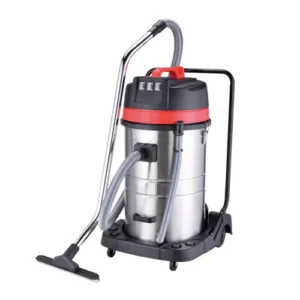
Welcome to our complete guide to commercial carpet vacuums and dryers available across Canada. Whether you manage a hotel, office building, healthcare facility, or retail space, keeping carpets and floors clean and dry is essential for safety, hygiene, and appearance. Our range of wet and dry vacuums delivers the versatility and power Canadian facilities need — handling everything from fine dust and dry debris to liquid spills and wet floor recovery in a single machine.
A commercial wet and dry vacuum is a heavy-duty cleaning machine capable of handling both dry debris—dust, dirt, sand, and fine particles—and wet messes, including liquid spills, floodwater, and post-scrubbing water recovery. Unlike standard household vacuums, commercial-grade units are built for continuous use across large areas, with larger-capacity tanks, stronger motors, and durable construction designed to withstand demanding Canadian commercial and industrial environments.
These machines are an essential complement to floor scrubbers and sweepers. Where a scrubber deep-cleans hard floors and a sweeper collects dry debris, a wet/dry vacuum handles the tasks neither can—carpet cleaning, spot liquid recovery, post-flood cleanup, and fine dust extraction in sensitive environments.
A standard vacuum is designed for dry use only—carpet fibers, dust, and loose debris. Introducing any liquid can damage the motor and create a safety hazard.
A wet and dry vacuum is engineered for both. It switches between dry suction for carpets and debris and wet suction for liquid recovery without any risk to the motor. For Canadian facilities that deal with tracked-in snow melt, wet entryways, post-cleaning water recovery, or accidental spills, a wet and dry vacuum is a far more practical and versatile investment than a dry-only unit.
Canada's climate and facility types create specific cleaning demands that make wet and dry vacuums particularly valuable:
Winter moisture and snow melt: From November through April, Canadian facilities deal with constant wet entryways as staff and visitors track in snow, ice melt, and road salt. A wet and dry vacuum quickly recovers standing water and moisture from carpeted entrances and hard floors, reducing slip hazards and preventing carpet damage from prolonged moisture exposure.
Road salt on carpets and mats: Salt tracked in from parking lots is abrasive and corrosive. Left in carpet fibers, it damages the pile and backing over time. Regular vacuuming with a powerful commercial unit extracts salt crystals before they cause long-term damage.
Post-scrubbing water recovery: After using a floor scrubber, wet and dry vacuums are ideal for recovering residual moisture in corners, edges, and areas the scrubber's squeegee cannot fully reach.
Flood and spill response: Canadian facilities — particularly basements, parkades, and ground-floor spaces — are vulnerable to water ingress during spring thaw and heavy rainfall. A high-capacity wet vacuum provides fast response to minimize water damage.
The most versatile option for Canadian facilities. These units handle both dry debris and liquid recovery with a single machine. Available in a range of tank capacities to suit everything from small offices to large industrial spaces.
Used after carpet cleaning, flooding, or deep cleaning to accelerate drying time. High-velocity airflow reduces moisture in carpet fibers and prevents mold and mildew growth—particularly important in Canadian facilities where winter humidity and trapped moisture are common concerns.
Heavy-duty units designed for high-volume liquid recovery in manufacturing, construction, and industrial environments. Built with larger tanks, stronger motors, and durable components for continuous demanding use.
Our largest capacity wet and dry vacuum, the C80L, is built for high-demand commercial and industrial environments. With an 80-liter tank, it handles large-scale liquid recovery, heavy debris collection, and extended cleaning sessions without constant emptying. Ideal for warehouses, large retail facilities, hospitals, and post-flood cleanup across Canadian facilities.
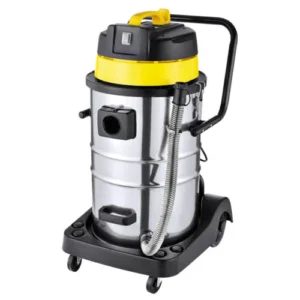
The C50L strikes the ideal balance between capacity and maneuverability. Its 50-liter tank suits mid-size facilities—hotels, schools, office complexes, and food service environments—where both wet and dry cleaning tasks arise regularly. Powerful suction and a durable build make it a reliable everyday workhorse.
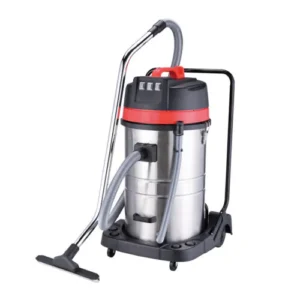
Compact and easy to maneuver, the C30 is the right choice for smaller Canadian facilities or spot-cleaning applications. Its 30-liter tank handles restrooms, reception areas, corridors, and smaller retail spaces efficiently. Lightweight enough to move between floors and areas with minimal effort.
Warehouses & Industrial Facilities: Large floor areas, heavy debris, and occasional liquid spills call for maximum tank capacity. The C80L minimizes operator stops and handles the volume that demanding industrial environments generate.
Hospitals & Healthcare Facilities: Hygiene and quick response to spills are critical. The C50L provides the capacity for extended use while remaining maneuverable in corridors and patient areas. Easy-to-clean tanks and components reduce cross-contamination risk.
Hotels & Hospitality: From wet entryways in winter to carpet maintenance in guest rooms and lobbies, hotels need a versatile machine. The C50L handles both tasks efficiently. The C30 is ideal as a room-attendant unit for quick spot response.
Schools & Universities: High foot traffic, cafeteria spills, and wet entrances during Canadian winters make wet and dry vacuums essential. The C50L suits large common areas and gymnasiums, while the C30 works well for classroom and corridor maintenance.
Offices & Small Commercial Spaces: For regular carpet maintenance and occasional spill response, the C30 provides the right capacity without taking up excessive storage space.
Retail Stores: Entranceway moisture, tracked-in salt, and spills in high-traffic aisles are common. The C50L handles these quickly to keep floors safe and presentable for shoppers.
Tank size determines how long you can clean before stopping to empty. For large facilities or high-volume liquid recovery, choose a larger tank like the C80L. For smaller spaces or spot cleaning, the C30 keeps things manageable.
Commercial-grade motors deliver the suction needed to lift embedded dirt from carpet fibers and recover liquids quickly. Stronger suction means better results in fewer passes—important in busy Canadian facilities where cleaning windows is a short task.
For facilities concerned with air quality — hospitals, schools, and offices — look for units with advanced filtration that captures fine dust and allergens rather than recirculating them into the air. This is especially relevant in winter when Canadian buildings are sealed and ventilation is reduced.
Consider the layout of your facility. Units with large wheels, ergonomic handles, and a compact footprint are easier to move between areas, up ramps, and through doorways.
A good range of attachments — carpet nozzles, crevice tools, wet floor squeegee heads, and extension wands — dramatically increases the machine's versatility across different surfaces and tasks.
Empty the tank completely after each session—never store the machine with liquid or debris inside. Rinse the tank with clean water and allow it to air dry before the next use. Check the filter and clean or replace it as needed to maintain suction performance.
A clogged filter is the most common cause of reduced suction. For dry debris use, tap or gently rinse the filter regularly. When switching between wet and dry use, ensure the correct filter configuration is in place — running a wet vacuum with a dry filter can damage the unit.
Inspect hoses for cracks or blockages after each use. Clean attachments to prevent debris buildup and odor. Store hoses coiled loosely to prevent kinking.
During winter months, Canadian facilities see increased wet vacuum use due to snow melt and salt tracking. Rinse tanks more frequently during this period to prevent salt buildup inside the tank and hose connections. After the winter season, perform a full inspection of seals, gaskets, and hose connections for any corrosion or wear caused by salt exposure.
Store in a clean, dry, temperature-controlled area. Never store with moisture in the tank in spaces exposed to freezing temperatures—residual water can freeze and damage internal components.
A wet/dry vacuum is a commercial cleaning machine that handles both dry debris—dust, dirt, and particles—and liquid recovery, including spills, floodwater, and post-cleaning moisture, in a single unit.
Yes—with the right attachment, wet and dry vacuums effectively clean carpets by extracting dry debris, dust, and embedded particles. They can also recover liquid spills from carpet before moisture causes staining or damage.
Tank capacity is the key factor. For small offices or spot cleaning, the C30 (30L) is sufficient. For mid-size facilities like hotels and schools, the C50L (50L) is the most practical choice. For large industrial or commercial spaces with high-volume needs, the C80L (80L) minimizes downtime between emptying.
Yes—wet and dry vacuums are particularly well suited to Canadian winters, where snowmelt, road salt, and wet entryways create constant liquid recovery needs that a dry-only vacuum cannot handle.
For regular commercial use, inspect the filter after every use and clean it as needed. Replace the filter when suction noticeably drops even after cleaning, or when the filter shows visible damage. In high-dust environments, more frequent replacement may be necessary.
Yes — particularly the C80L, which is designed for high-volume liquid recovery. For significant flooding, the large tank capacity and powerful motor make it effective for rapid water extraction.
No — these machines are straightforward to operate. Basic familiarization with switching between wet and dry modes, filter configuration, and emptying the tank is all that is needed before a staff member can use one confidently.
Yes—ScrubX ships wet and dry vacuums to facilities across Canada. Contact us for delivery timelines and freight options to your province or territory.