
Your cart is empty
You may check out all the available products and buy some in the shop
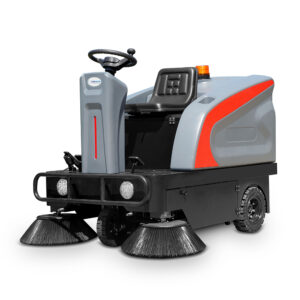
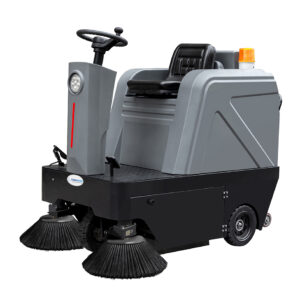
Return to shopA ride on floor sweeper is a heavy-duty cleaning machine designed to efficiently collect dust, debris, sand, and industrial waste across large indoor and outdoor areas. In Canada, where facilities face challenges like snow residue, salt, dust, and industrial debris, ride-on sweepers offer a faster, safer, and more cost-effective cleaning solution compared to manual methods.
Unlike walk-behind sweepers, a ride on floor sweeper machine allows the operator to sit comfortably while covering large areas in less time—making it ideal for warehouses, manufacturing plants, logistics centers, parking facilities, and road maintenance.
Many Canadian facility managers ask whether they need a sweeper, a scrubber, or both. Understanding the difference helps you invest in the right machine — or the right combination.
A ride-on floor sweeper is designed to pick up dry debris—dust, sand, grit, gravel, packaging material, and industrial waste. It uses rotating brushes and a suction system to collect loose material into a debris hopper without using any water. Sweepers are ideal as a first-pass machine or in environments where wet cleaning is not practical, such as outdoor parking lots, roads, and dry warehouses.
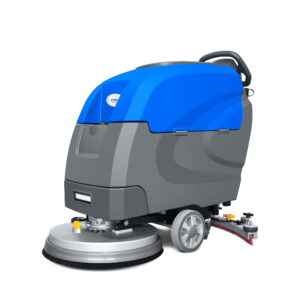
A ride-on floor scrubber, by contrast, uses water and cleaning solution to deep-clean hard floor surfaces. It removes embedded dirt, grease, and liquid spills that a sweeper cannot address. Scrubbers leave floors hygienically clean and dry in a single pass.
For the best results in most Canadian industrial and commercial facilities, the ideal workflow is to sweep first and scrub second—the sweeper removes loose debris so the scrubber can focus on deep cleaning without clogging. Browse our Ride-On Floor Scrubbers and Walk-Behind Floor Scrubbers to complete your cleaning setup.
Industrial environments demand machines that are reliable, powerful, and built to perform in tough conditions. A ride on floor sweeper in Canada is specifically suited for:
With strong suction systems, high-capacity debris hoppers, and advanced filtration, industrial sweepers help maintain health, safety, and compliance standards while reducing operational downtime.
A ride on floor sweeper machine dramatically increases cleaning efficiency by:
This makes ride-on sweepers a smart long-term investment for businesses across Canada.
Choosing the right machine depends on your cleaning area, debris type, and usage frequency. Below are our trusted industrial ride on floor sweepers for sale in Canada, suitable for both indoor and outdoor environments:
Each model is engineered for durability, performance, and long service life—making them ideal for Canadian conditions.
Here is a quick guide to matching the right model to your environment:
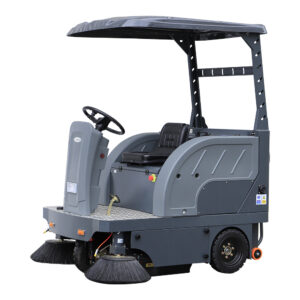
Warehouses & Distribution Centers: Daily sweeping of large open floor areas with mixed debris—dust, packaging, and loose grit—calls for a reliable high-capacity machine. The SweeperX 1460 handles heavy industrial debris efficiently, while the SweeperX 1250 is a practical choice for medium-sized warehouse operations.
Manufacturing & Industrial Plants: Heavy debris, metal shavings, and fine dust are common in production environments. Choose a model with advanced filtration to contain fine particles and protect air quality. The SweeperX 1380 and SweeperX 1460 are both well suited to demanding manufacturing floors.
Airports & Logistics Hubs: Large footprints, continuous operations, and diverse debris types require a machine with high hopper capacity and strong suction. The SweeperX 1460 minimizes operator stops during extended cleaning runs across wide floor areas.
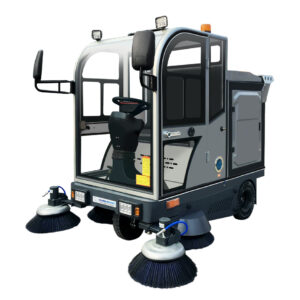
Parking Lots & Outdoor Areas: Canadian winters leave behind heavy salt, sand, and grit deposits on outdoor surfaces. The SweeperX 1900D with an enclosed cabin is ideal for outdoor use — it protects the operator from weather while delivering high-capacity road-grade sweeping. The SweeperX 1900E offers the same outdoor capability in an eco-friendly electric format.
Municipal Roads & Urban Spaces: For municipalities managing street cleaning, the SweeperX 1900D and 1900E are purpose-built for road-sweeping applications, with the capacity and brush systems to handle roadside debris at scale.
Retail Complexes & Commercial Facilities: For regular light-to-medium sweeping in commercial settings, the SweeperX 1250 provides the right balance of maneuverability and capacity without over-specifying for the application.
Yes. Industrial ride on floor sweepers are built to handle dust, grit, sand, and debris commonly found in Canadian facilities, especially during winter months. Enclosed cabin options, robust filtration systems, and heavy-duty brushes ensure reliable performance throughout the year.
Additional Canadian climate considerations worth noting:
Road salt and winter sand are some of the most abrasive materials a sweeper will encounter. During winter months, brush wear accelerates significantly—inspect main and side brushes more frequently and replace them before performance drops. Salt residue left on the machine's undercarriage and brush housings can also cause corrosion over time, so rinsing exposed components after each outdoor use extends machine life considerably.
For facilities with cold storage areas or outdoor operations in sub-zero temperatures, check that any battery-powered models you consider are rated for low-temperature operation. Lithium-ion battery systems generally perform better in the cold than lead-acid alternatives and are worth the additional investment for year-round outdoor or cold-chain use.
Empty the debris hopper completely after each cleaning session—leaving debris inside can cause moisture buildup, odors, and corrosion. Clean the filter system to maintain suction power and inspect side brushes and the main brush for wear or debris wrapping.
Inspect all brushes for wear and replace when bristles are noticeably reduced. Check the filter for tears or blockages and clean or replace as needed. For battery-powered models, recharge fully after every use and check electrical connections for signs of corrosion or loosening.
After the winter season, perform a thorough inspection of the undercarriage and brush housings for salt corrosion. Lubricate moving parts, check wheel and drive components, and replace any brushes that have experienced accelerated wear from winter grit. This seasonal reset ensures the machine is ready for year-round performance.
Store the sweeper in a clean, dry, temperature-controlled area. Never leave debris in the hopper or moisture in any internal components when storing in areas exposed to freezing temperatures.
Selecting the right industrial ride on floor sweeper depends on your facility size, surface type, and cleaning frequency. Our team can help you identify the most suitable model based on real operational needs—not just specifications.
A ride-on floor sweeper is a machine that collects dry debris, dust, and loose waste from large floor areas using rotating brushes and a suction system, with the operator seated for comfort and efficiency.
A sweeper collects dry debris without water. A scrubber uses water and cleaning solution to deep-clean and remove embedded dirt and grease. For the best results, sweep first, then scrub.
Yes—models like the SweeperX 1900D with an enclosed cabin are specifically designed for outdoor use and provide operator protection in cold or wet conditions. Heavy-duty brushes handle salt, sand, and grit common in Canadian winters.
Brush replacement frequency depends on debris type and usage. In typical indoor environments, inspect every 40–60 hours of use. In high-grit or salt-heavy winter environments, check more frequently and replace when bristles are noticeably worn.
Basic familiarization is recommended, but SweeperX machines are designed with intuitive controls. Most operators are comfortable and productive within a short training session.
For facilities that sweep regularly—several times per week—purchasing delivers significantly better long-term value. Renting suits one-off projects, post-construction cleanups, or seasonal needs.